
Before the outbreak of the Covid-19 Pandemic, I spent a few days in my hometown Linz, Austria, to visit old friends and take photos. One of these photo spots was the abandoned Limonitunnel. It’s a huge tunnel under a hill used as an air-raid shelter during World War II.
History of the Limonitunnel
Austria, which was annexed by Germany in 1938, was out of range of allied bombers until 1943. That changed once the allies occupied Italy. Suddenly, Austria was in the range of allied bombers. So the Germans ordered to build an air-raid shelter in Linz by connecting various century-old wine- and beer-cellars located inside a hill in Linz.
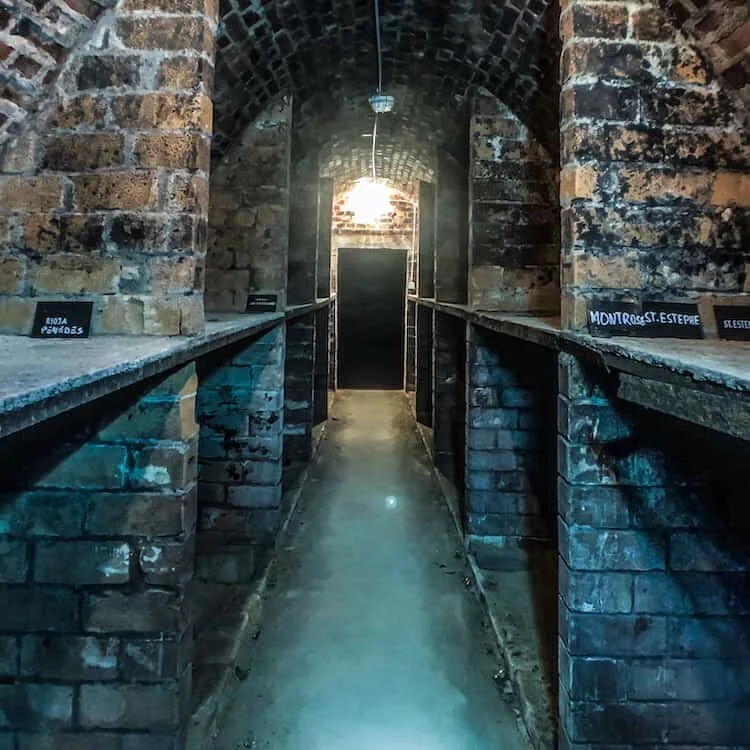
The resulting bunker should provide protection for more than 20.000 people and is known as the Limonitunnel (“Limonistollen” in German).
Know before you go
You can visit the Limonitunnel through guided tours that you can book via the homepage of the Limonitunnel. The tunnel is located here:
But don’t bother going there without a guided tour. The area is under CCTV surveillance.
Historical Timeline & Key Milestones
Photographing inside the tunnel
Though the tunnel is partially electrified, I found a few spots that weren’t, and so I used a technique that I described in a separate blogpost: how to take photos in total darkness with iPhone.
The tunnel itself is huge and in some areas up to 10 feet high.
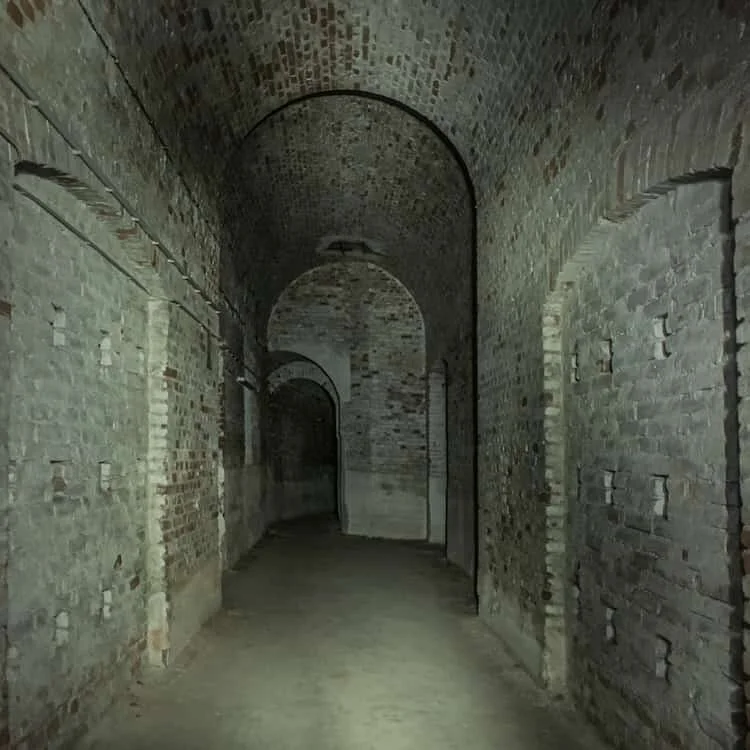
During your tour, you’ll also see the remains of the old airflow system
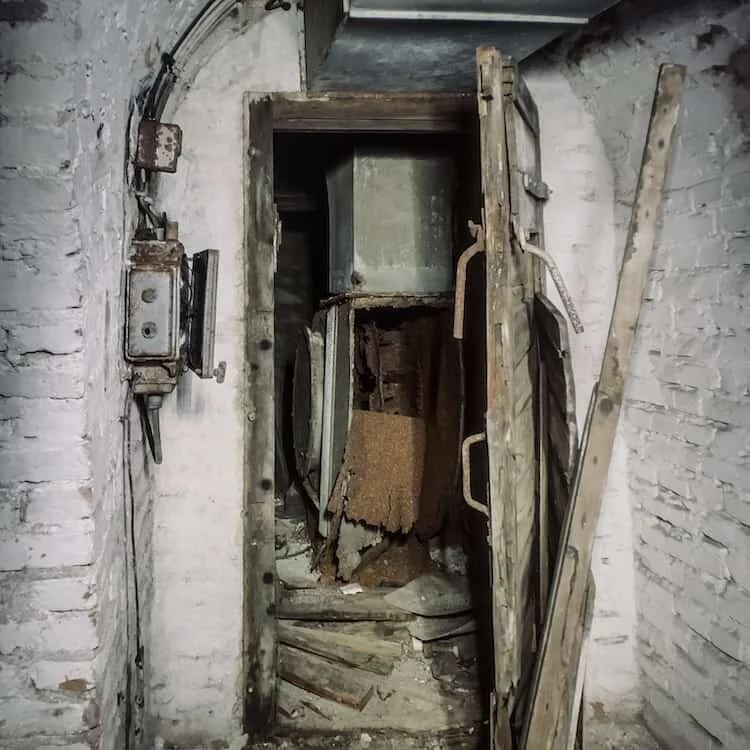
When I was young, I knew someone who owned a part of the tunnel and provided a personal tour. I remember seeing some machines from World War II stuck in the rocks and a few rooms where the forced laborers had to sleep. I bet you can imagine where these forced laborers came from.
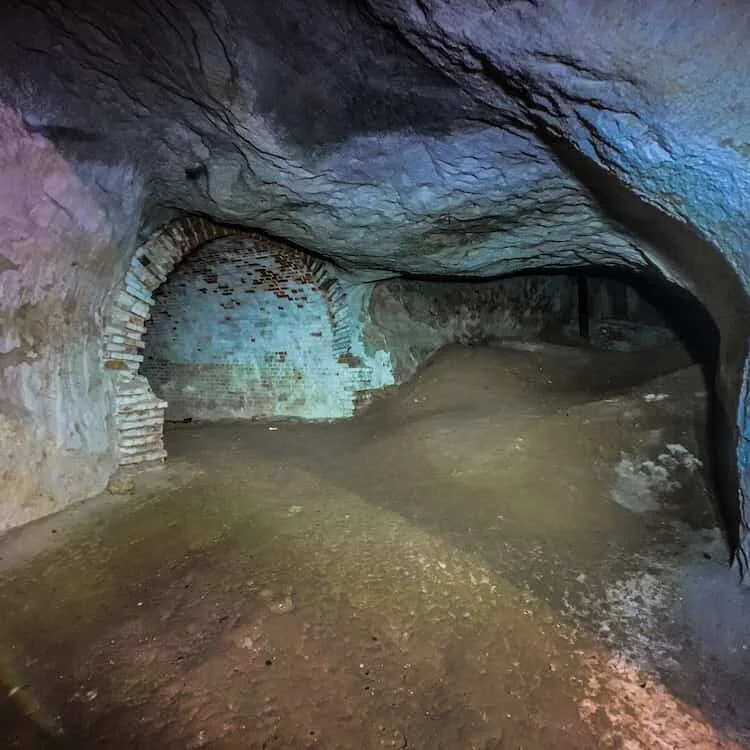
Speaking of unfinished parts: here’s such a tunnel that was never finished and that you’ll see during your tour.
Summary
On the one hand, visiting the former air-raid shelter is an interesting experience, but on the other hand also depressing. You’ll hear about the forced laborers from Mauthausen that had to work in the tunnels and maybe a few stories about the air raids. If you decide to visit the Limoitunnel, make sure to bring warm clothes. You’ll get a flashlight from the guides. But if you want to bring your own, you may want one to have a look at the flashlights that I use for exploring places like these: Read my Olight S30R review or, if you’re looking for a smaller flashlight, the review of the Olight S1R.
By the way: In the evening on the same day, I photographed a firework. So of you’re curious, read the tutorial about how to photograph fireworks with iPhone.
Discussion
0 CommentsJust one more step
Please enter your name and email address. Your email will never be published.