
The Berlin Hohenschönhausen Memorial is a former Stasi prison, now a memorial for the politically prosecuted of the former GDR. You’ll find a permanent exhibition about political persecution and communist dictatorship in the main building.
But a small part of the memorial is not accessible to the public. This lost place is the former Stasi prison. In 2021 I was lucky to get one of the few tickets for a tour hosted by former inmates.
Know before you go to the Hohenschönhausen Memorial
The Hohenschönhausen Memorial is located in northeast Berlin, and you can get there by public transportation plus a 10-minute walk.
If you want to see and photograph the lost part of the memorial, you’ll need to buy a ticket for a guided tour from e.g., from go2know.de. But be warned: The stories the former inmates tell are interesting - but not for the faint-hearted.
I’ve to admit that listening to the stories of the inmates for Hohenschönhausen was more interesting than taking photos.
I asked one of the guides how he felt to return to where he was imprisoned for several years regularly. He smiled at me and said: “Well, I’m still here. The political system that imprisoned me is not”. I have great respect for people who come across as positive after such an experience.
Historical Timeline & Key Milestones
Inside the Hohenschönhausen stasi prison
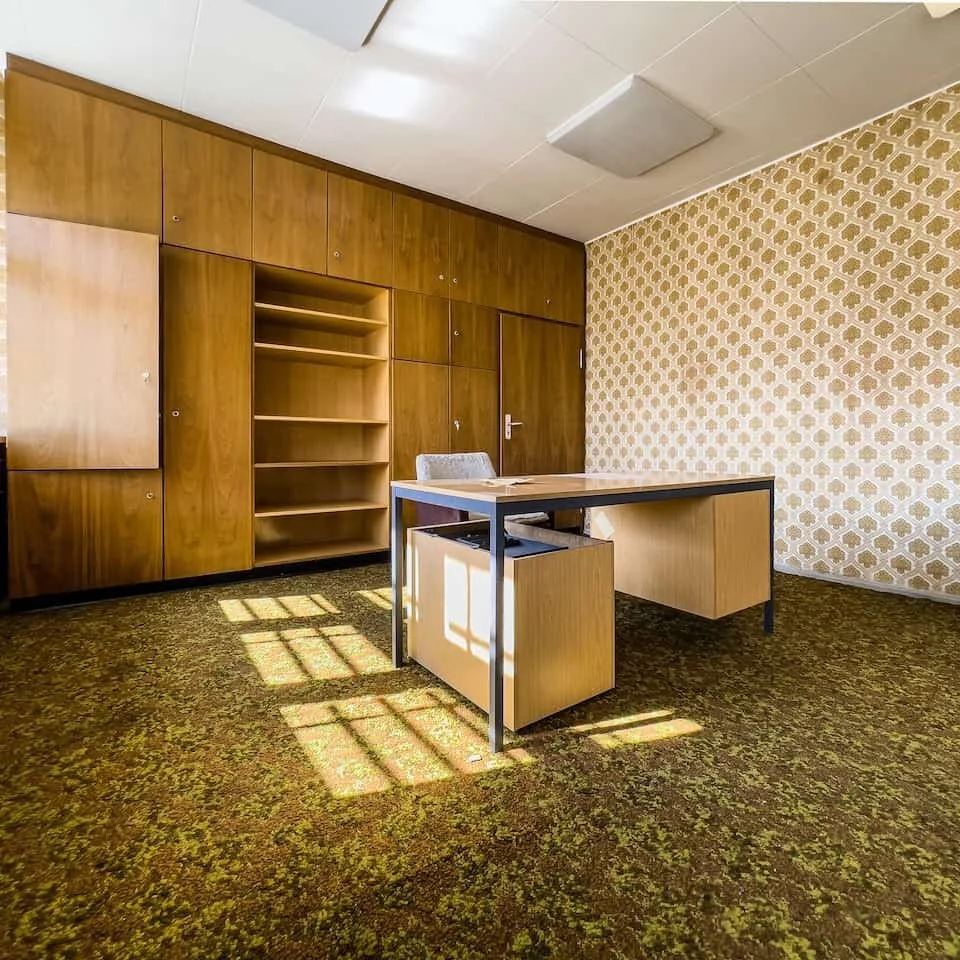
This lost place was unlike many other lost places I visited. It feels like entering a time capsule. The building is not decayed, and all the furniture is still there. It looks like the people left only a few days ago. But that seems logical. It’s a prison designed that no one could get out. So, Handels couldn’t get in, either.
Let’s start with the cell block that spans across two floors.
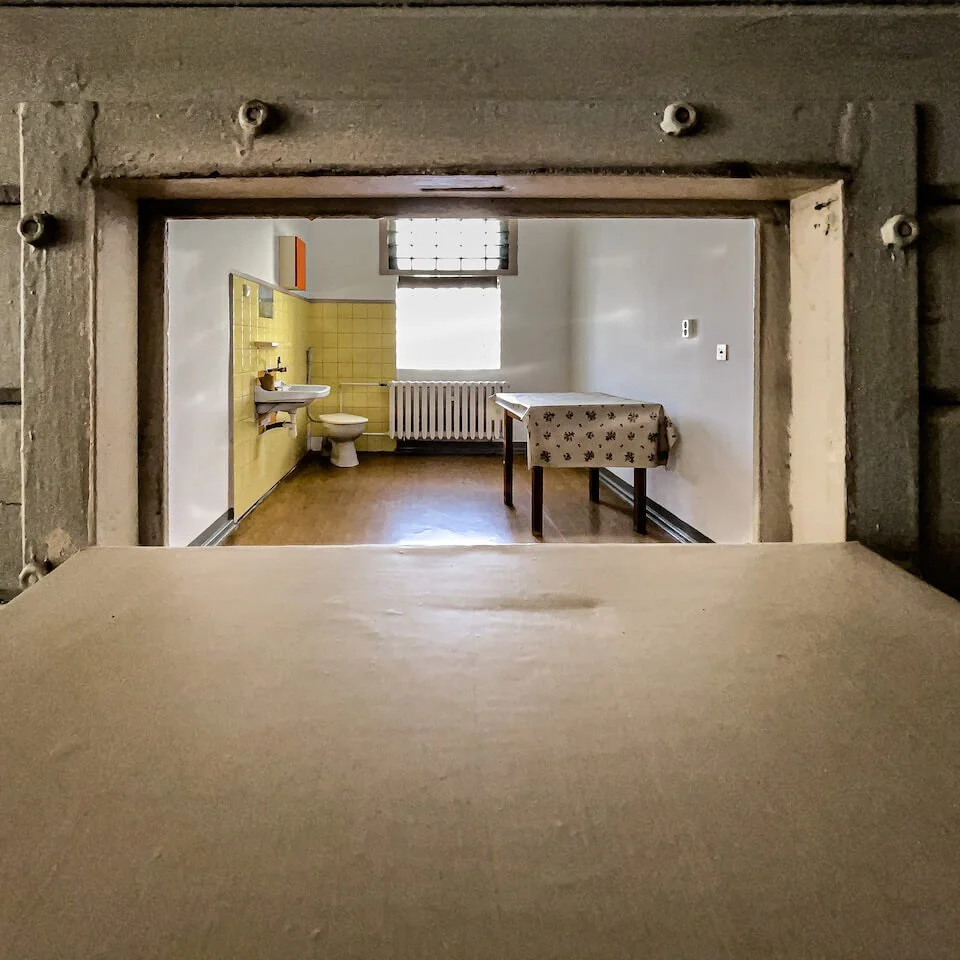
For this photo, I used framing by photographing through the food flap of the cell door. You may think that these cells are huge. Yes, they are, but mind that this is a prison hospital!
In the next photo, you’ll see the former operating room.
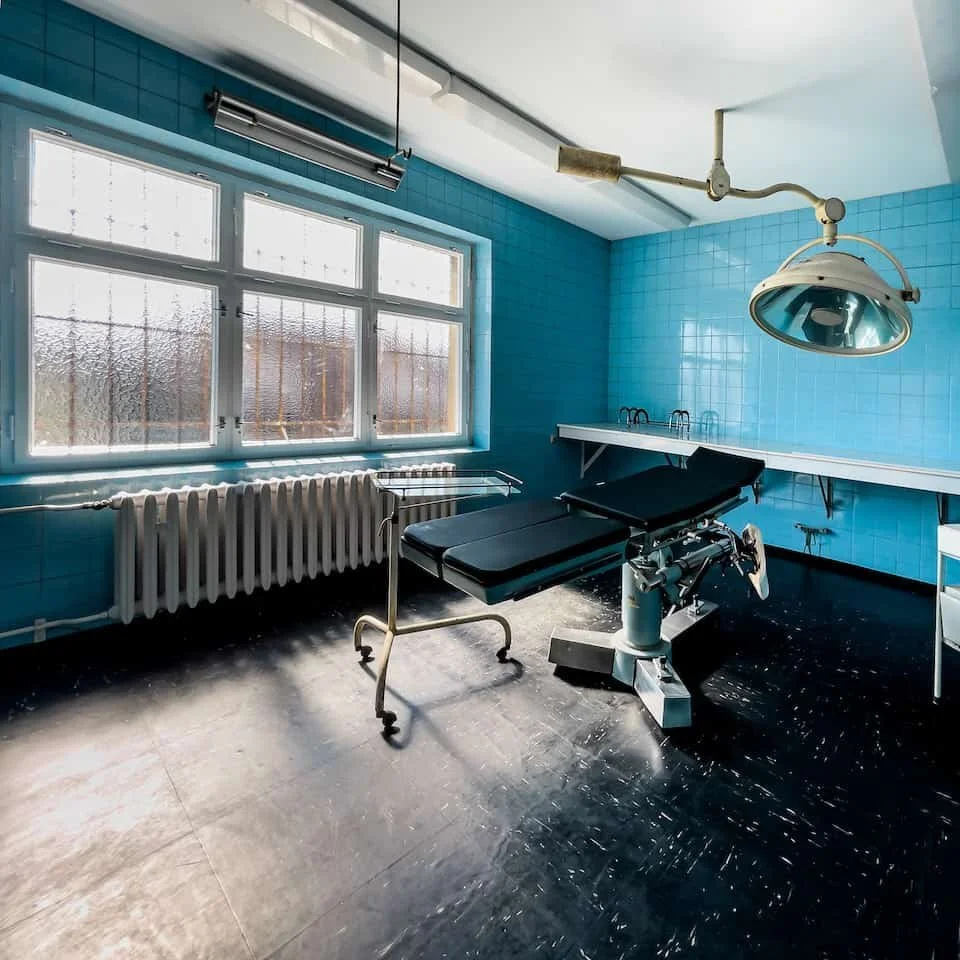
I used SKRWT app to fix the perspective distortion in this photo. To learn more about this fantastic app that allows you to fix perspective distortions, head over to my SKRWT review.
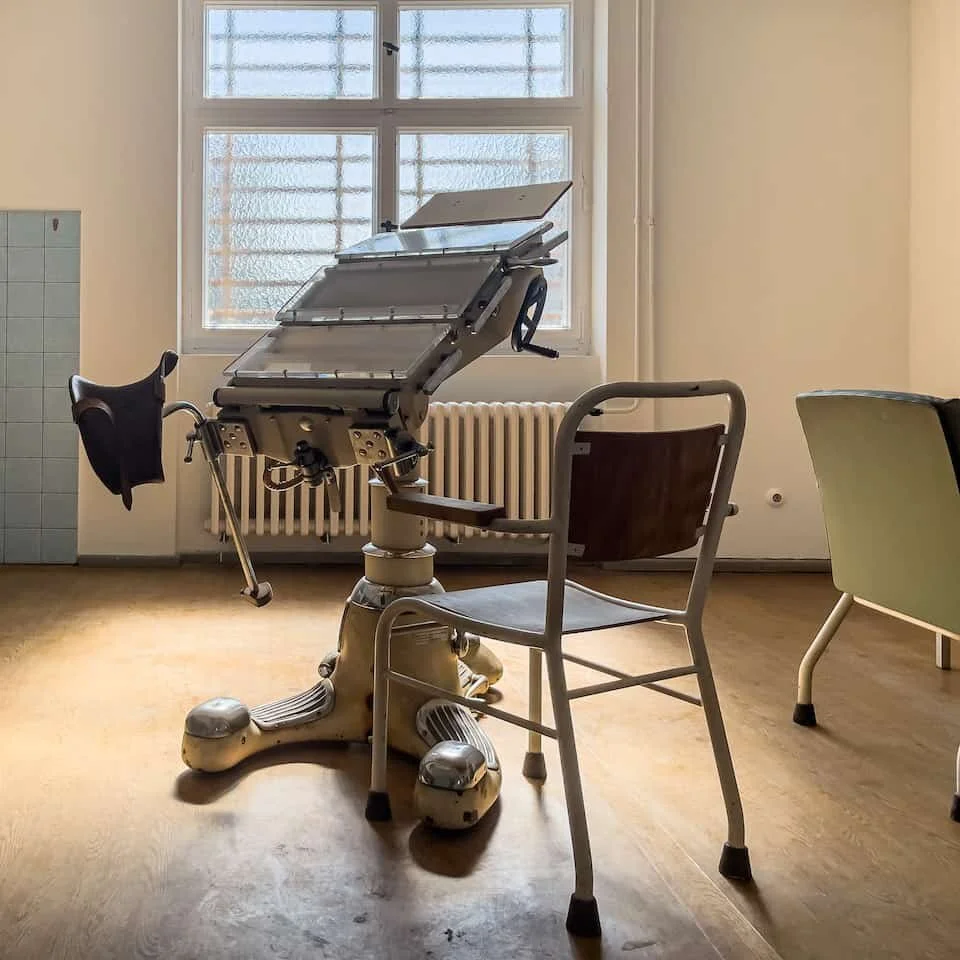
According to the story of the inmates, the communist regime brought entire families to the prison hospital. Naturally, there was a women’s examination room, too.
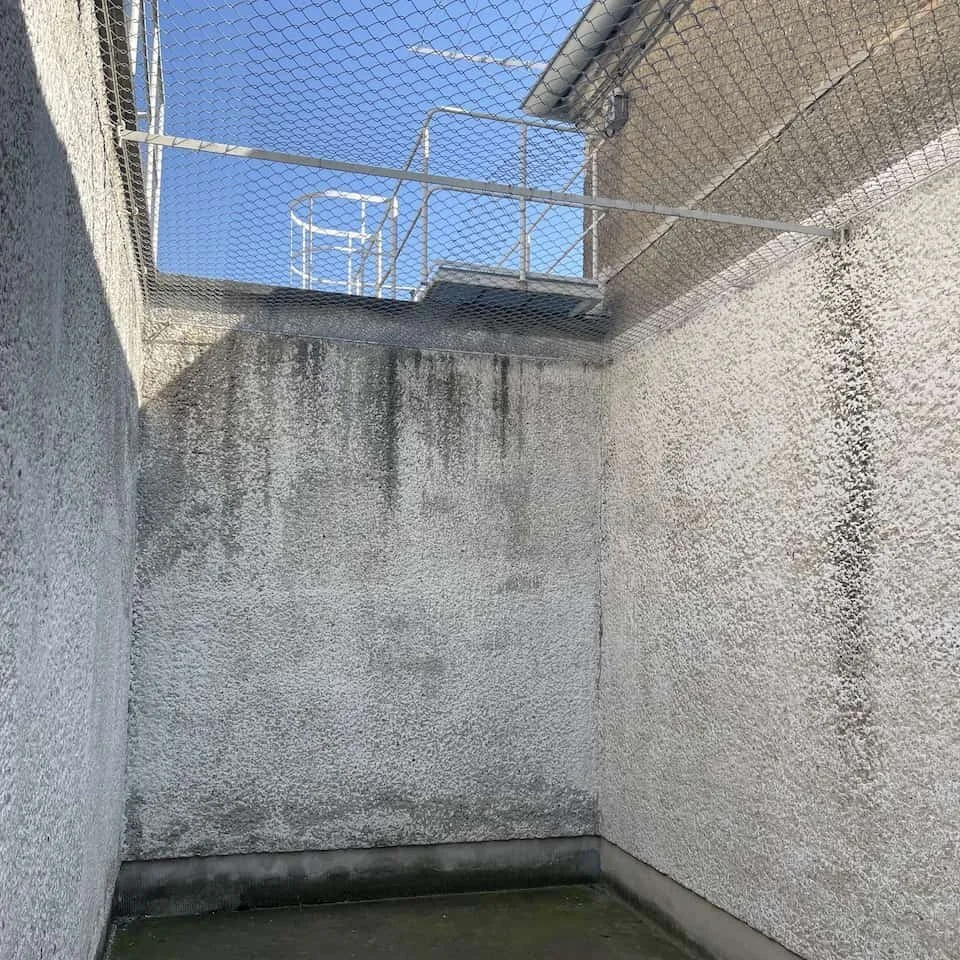
Allegedly, if an entire family was imprisoned in Hohenschönhausen, the guards ensured they never met. Even during the few times when the inmates could enjoy a few hours outside their cells in the so-called tiger cages.
According to one of the guides, the technically simple alarm system of the prison hospital still works. You’ll find wires along the hallways and in the cell block. If a corrections officer would need help, he just needed to pull the wire. This would interrupt the flow of electricity, and an alarm would go off in the prison warden that you can see in the next photo.
If you ever plan to visit this memorial, bring your camera and plenty of time to listen to the moving stories of the former inmates. I found them more interesting than the lost place itself.
If you’re looking for more lost places in Berlin, check my blog post about abandoned places in Berlin and nearby that you can visit legally.
Discussion
0 CommentsJust one more step
Please enter your name and email address. Your email will never be published.